
12 Costly Fashion Mistakes You’re Making (How to Avoid Them)

Standing in front of a closet full of clothes with nothing to wear is an expensive feeling. Most of us waste serious money every year on clothes that sit unworn, shrink after one wash, or never quite fit right.
Spotting these common fashion mistakes is the fastest way to stop leaking cash. A great wardrobe is never about buying more items. It comes down to spending money on pieces that fit properly, hold up over time, and match your real daily life.
Small habits quickly add up to major regrets. Grabbing cheap impulse bargains or skipping simple garment care tags silently drains your monthly budget. Learning what to avoid keeps your hard-earned money right where it belongs: in your wallet.
Here are the most costly fashion errors to watch out for, along with easy fixes to help you shop smarter, dress with confidence, and make every dollar in your closet count.
1. Buying Outfits for a Fantasy Life Instead of Real Routines
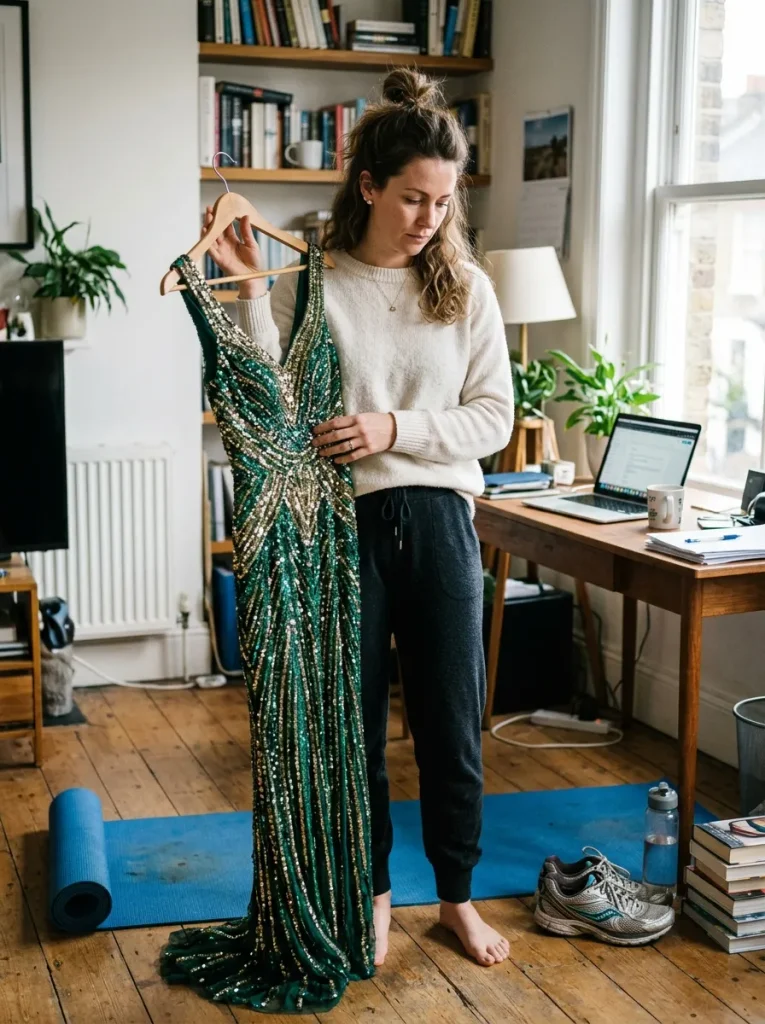
Many closets hold statement heels, formal gowns, or runway-inspired jackets that still have store tags attached. We often shop for the life we imagine living on special vacations or red carpet events, rather than the life we actually lead every Tuesday. This single buying habit ties up hundreds of dollars in garments that simply collect dust.
Before tapping your card at checkout, test the purchase against your actual weekly routine:
- Calculate cost per wear: A hundred dollar blazer worn three days a week costs pennies per wear, while a fifty dollar cocktail dress worn once is pure waste.
- Match your real week: If you work remotely four days a week, your shopping dollars belong in comfortable, polished knitwear and crisp everyday tops.
- Follow the three-outfit check: Never purchase an item unless you can immediately name three separate outfits you can make with pieces you already own at home.
Tailored everyday trousers you wear twice a week.
Durable shoes that handle city walking without pain.
Stiff satin gowns bought for events that do not exist yet.
Sky-high stilettos that sit unworn on closet shelves.
2. Buying the Wrong Size with Plans to “Fit Into It Later”
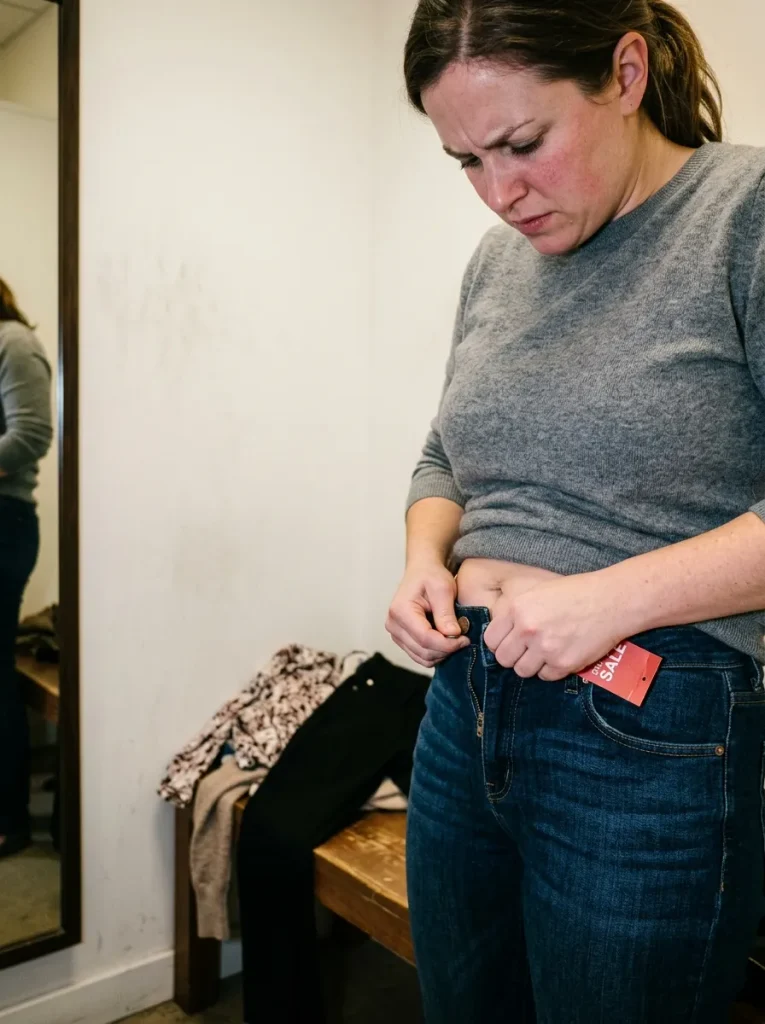
Purchasing clothes a size too small as fitness motivation sounds harmless on paper, but it usually guarantees wasted funds. Garments cut for a body you do not have right now end up hidden at the back of your wardrobe, draining your bank account while adding daily guilt. Even worse, bagging oversized pieces to hide your figure produces a sloppy silhouette that makes you feel sloppy and eager to shop again.
Fit dictates style far more than label numbers:
- Ignore standard vanity sizing: A size 6 in one retail brand can easily measure like a size 10 in another brand. Rely strictly on shoulder seams and hip room, not the arbitrary number printed on the neck tag.
- Buy strictly for your current measurements: Clothes should hug and drape comfortably today. If an item pinches at your waist, gapes at the bust, or pulls across your upper back when you cross your arms, leave it on the store rack.
- Budget for the seamstress: Buying an inch larger to accommodate broad shoulders or wide hips, then nipping in the waist at a local tailor, creates a custom fit that looks ten times more expensive than it actually was.
The In-Store Fit Test Checklist
3. Falling for the Clearance Sale Illusion
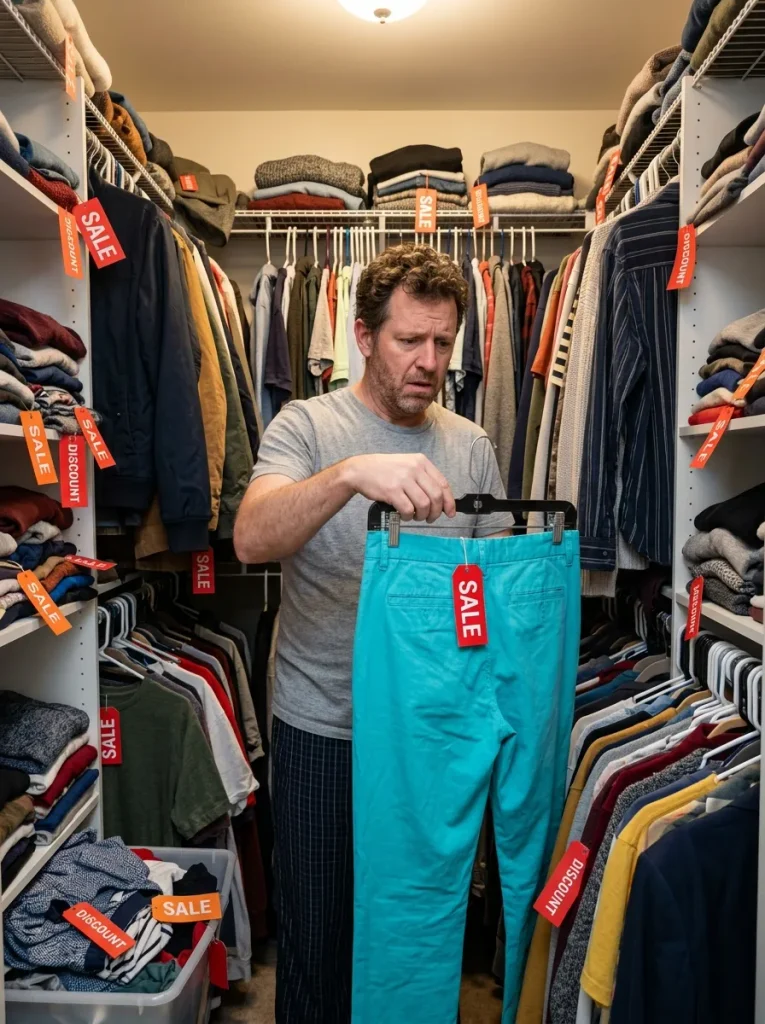
A red discount sticker creates false urgency that tricks the brain into seeing value where none exists. Scoring an eighty dollar top for twenty dollars feels like an easy win, but if that top sits untouched in a drawer, you just spent twenty dollars on clutter. Retail markdown bins exist to clear out awkward cuts, scratchy materials, and muddy prints that regular shoppers refused to purchase at full price.
A red discount sticker creates false urgency that tricks the brain into seeing value where none exists. Scoring an eighty dollar top for twenty dollars feels like an easy win, but if that top sits untouched in a drawer, you just spent twenty dollars on pure clutter. Retail clearance bins exist to clear out awkward cuts, scratchy materials, and muddy prints that regular shoppers refused to buy at full price.
The psychology of markdown racks relies entirely on your fear of missing out. You focus on the sixty dollars you are saving rather than the twenty dollars leaving your bank balance. That mental shift leads to impulse purchases you would never look at twice if they were sold at full retail price.
Smart shoppers treat markdowns with extra skepticism instead of excitement:
If you would not pay full price for the item today, do not bring it home on clearance.
4. Pouring Money into Rapid Micro-Trends
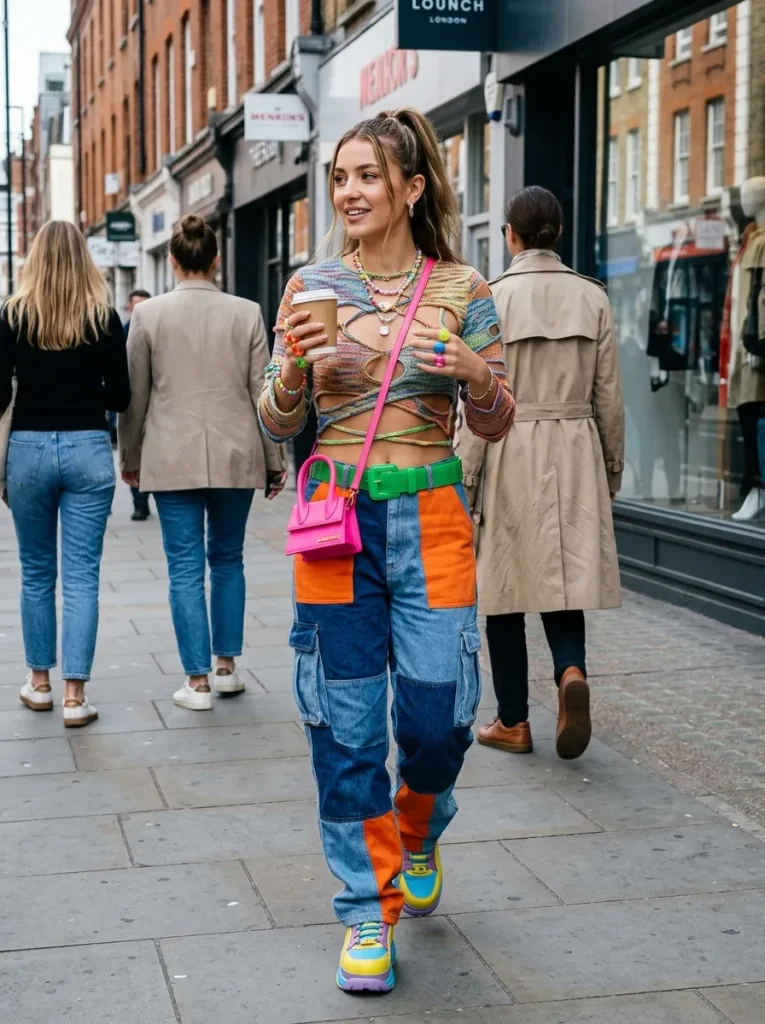
Social media feeds churn through fresh aesthetic labels every few weeks, tempting us to swap our entire wardrobes on a whim. Buying loud, hyper-specific pieces that flood short-form video apps usually leads to buyers’ remorse within three months. Once the hype cycle moves to the next obsession, those trendy tops look dated, feel unwearable, and hold zero resale value.
Social media feeds churn through fresh aesthetic labels every few weeks, tempting us to swap our entire wardrobes on a whim. Buying loud, hyper-specific pieces that flood short-form video apps usually leads to buyers’ remorse within three months. Once the hype cycle moves to the next obsession, those trendy tops look dated, feel unwearable, and hold zero resale value.
Algorithmic trends are engineered to burn out fast so fashion labels can keep selling you brand-new aesthetics every single month. When you build outfits around whatever item went viral on TikTok this week, your closet loses all cohesion and personal identity.
Building a lasting rotation means separating lasting movements from two-week viral crazes:
| Timeless Anchor Piece | Fleeting Micro-Trend |
|---|---|
| Tailored straight-leg denim in clean washes | Extreme cut-out tops with contrast stitching |
| Neutral crewneck knitwear in wool or cotton | Loud cartoon motifs and synthetic fuzzy vests |
| Classic leather belt with understated brass hardware | Chunky colored plastic resin rings and chains |
5. Ruining Good Fabrics by Ignoring Care Labels
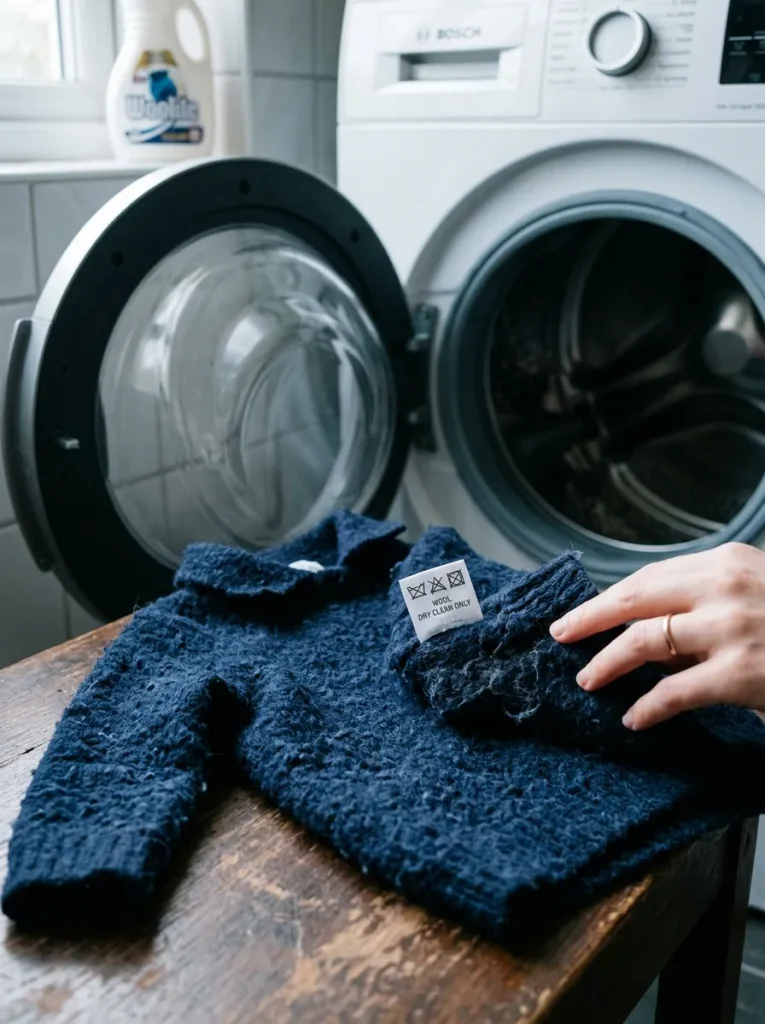
Throwing delicate garments into hot wash cycles cuts their lifespan down to a few short months. Most people lose expensive sweaters to shrinking, fading, or warped collar bands simply because they treat every fabric like durable gym cotton.
Reading the tiny white care tag on the inner seam prevents you from accidentally wrecking garments you spent serious money on.
The main culprit behind worn-out clothes is high dryer heat. Tumble dryers aggressively cook synthetic fibers, weaken cotton threads, and degrade delicate stitching over time. You will notice fabric thinning out, hems rolling up unevenly, and collars losing their structure after just a couple of cycles.
Reading the tiny white inner tag before washing saves you from constantly replacing ruined wardrobe staples.
⚠️ Watch Out
High dryer heat cooks elastane, causing stretch denim and leggings to ripple, sag, and thin out permanently.
6. Skipping Foundational Wardrobe Essentials
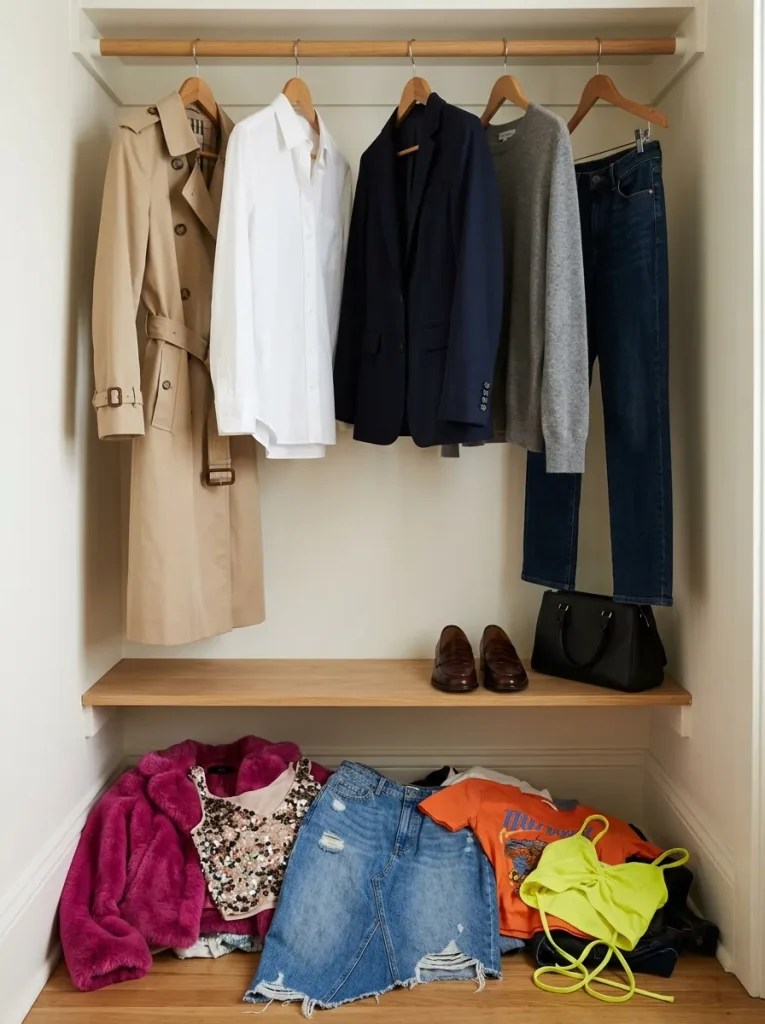
Buying only exciting statement pieces leaves you with a closet full of showstoppers that cannot talk to each other. When every skirt features a loud print, every jacket has heavy fringe, and every top has dramatic ruffles, putting together a simple Tuesday outfit becomes a stressful chore. You end up staring at a stuffed wardrobe feeling completely stuck.
A wardrobe without reliable basics is like a house built without a foundation.
Without plain crewnecks, clean tees, and neutral pants to ground your looks, those expensive statement pieces sit forgotten on hangers. You end up buying duplicate impulse items every morning just to find something workable to pair with your fun jackets.
7. Falling for Cheap Synthetic Blends
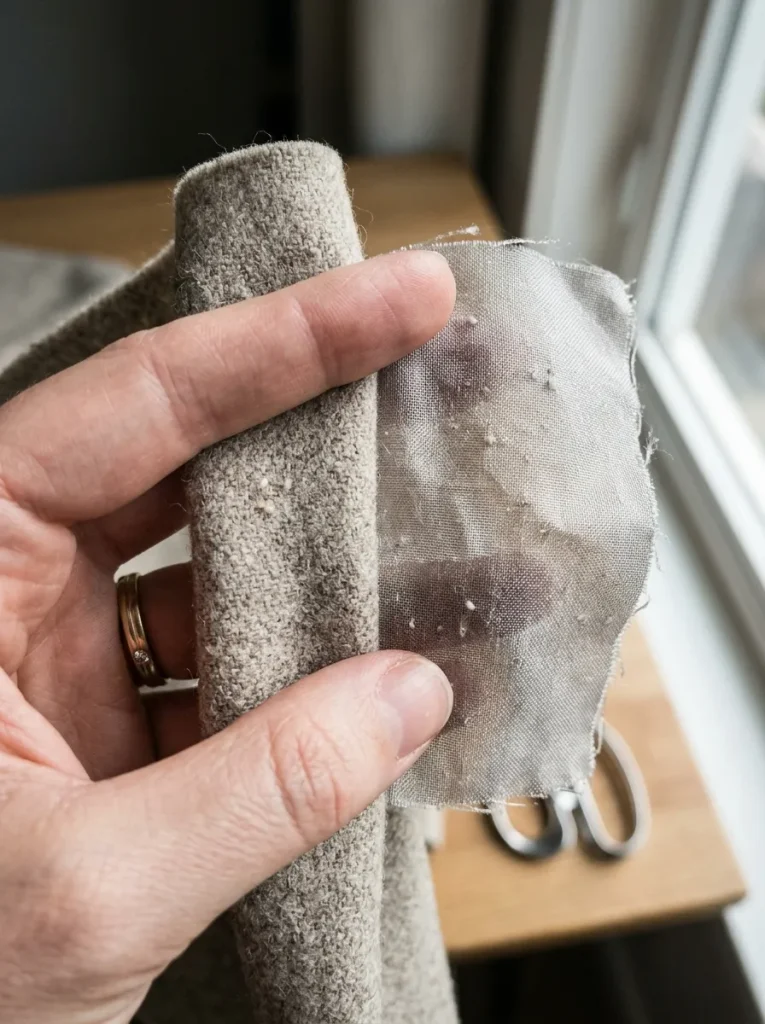
That fifteen dollar bargain top feels like a steal at the register, but the true cost reveals itself within three washes. Cheap synthetic fibers like flimsy polyester and acrylic trap body odors, hold heavy static, and develop rough fuzzy pills the moment they rub against a coat lining.
Fast fashion cuts corners by spinning ultra-short plastic threads into loose, airy knits.
These loose threads snag and break quickly under normal daily friction. Instead of a smooth sweater that lasts years, you end up with a warped, lint-covered top that looks unwearable before the season wraps up.
8. Buying Shoes That Hurt Your Feet for the Sake of Looks

We have all fallen in love with gorgeous footwear that feels like torture devices within twenty minutes. Spending good money on stiff heels or unsupportive flats guarantees they end up trapped in shoe boxes, draining your budget while delivering zero genuine practical value.
A painful shoe never gets broken in; it simply breaks your spirit and damages your posture.
Most shoppers convince themselves that a pack of gel insoles or heel cushions will magically fix severe pressure points. The reality is that poor arch support, narrow toe boxes, and cheap plastic soles cannot be salvaged, leaving you with useless footwear taking up precious closet space.
Stiff synthetic stilettos that pinch your toes, cause painful blisters, and spend all year collecting dust on closet shelves.
Supple leather loafers or block-heel boots with cushioned arches that let you walk around city streets effortlessly all afternoon.
9. Leaving Off-the-Rack Clothes Unaltered
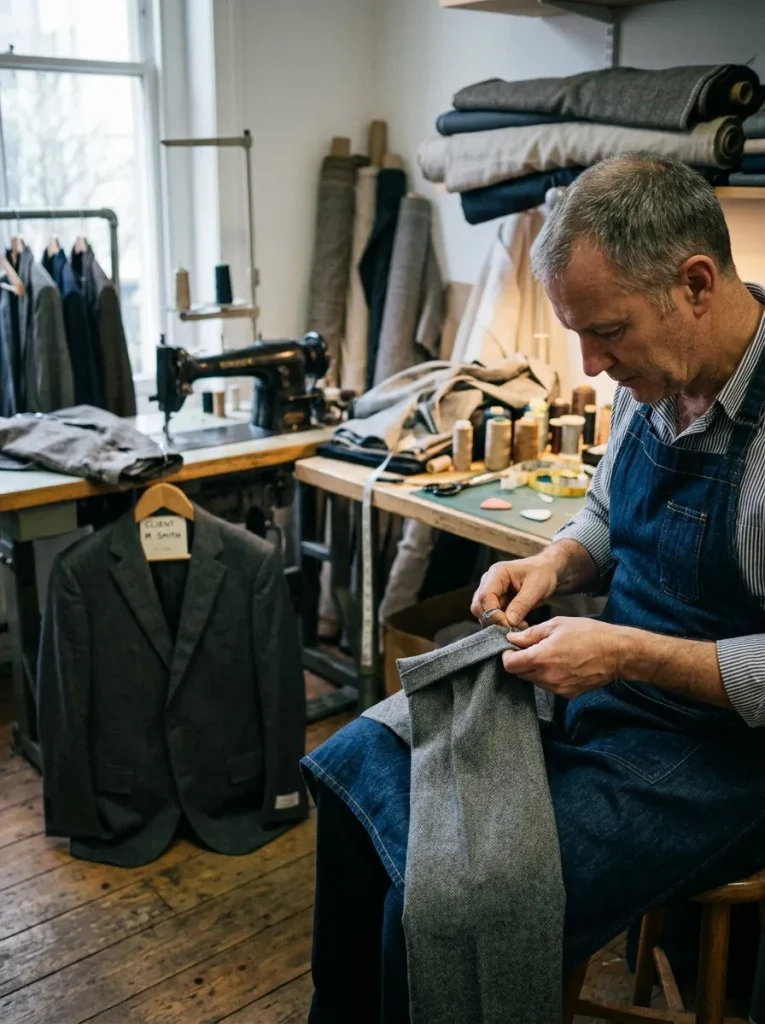
Buying off-the-rack garments and wearing them without minor tailoring instantly ruins an outfit. Mass clothing brands design patterns for average body proportions that rarely match anyone perfectly, leaving you with gaping waistbands, pooling trouser hems, and sagging blazer shoulders that look sloppy.
A mediocre twenty-dollar shirt tailored to your body looks far more expensive than a designer coat with awkward proportions.
Hem dragging trousers right above the shoe line to stop fraying.
Take in the waistband on wide jeans to eliminate gaping gaps.
Shorten long jacket sleeves to expose the wrist bones cleanly.
10. Ruining Clean Outfits with the Wrong Undergarments
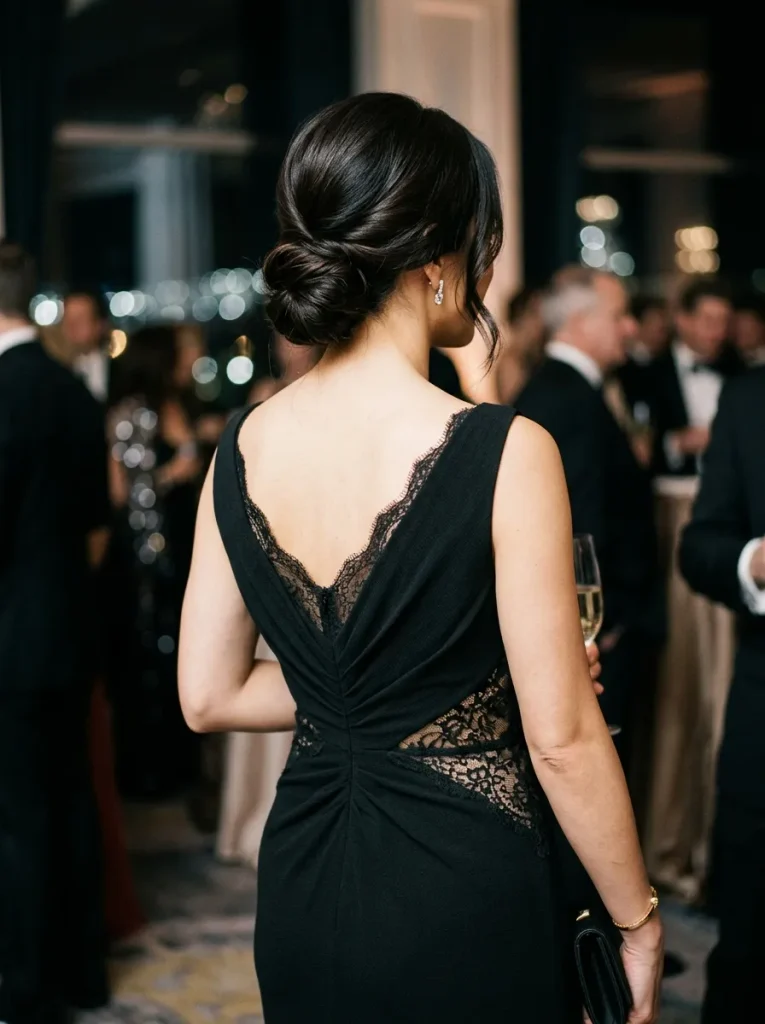
Even an expensive silk dress or tailored linen trousers can look cheap if your undergarments do not cooperate. Visible panty lines, digging bra straps, and bright white bras peeking through light summer tops instantly disrupt an otherwise polished outfit.
Undergarments serve as the hidden structural foundation that makes clothing drape smoothly against your skin.
Many shoppers spend years wearing the wrong bra band or cup measurement, which leads to poor posture, aching shoulders, and clothes bunching in the wrong spots. Getting a quick professional fitting transforms how every blouse and sweater sits on your frame.
- ▸Skin-tone seamless briefs prevent harsh line cuts under thin fabrics.
- ▸Smooth t-shirt bras eliminate lumpy textured lace beneath fine knitwear.
- ▸Firm high-waisted shorts prevent chafing and smooth out clingy skirts.
11. Buying the Same Clothes Over and Over Again
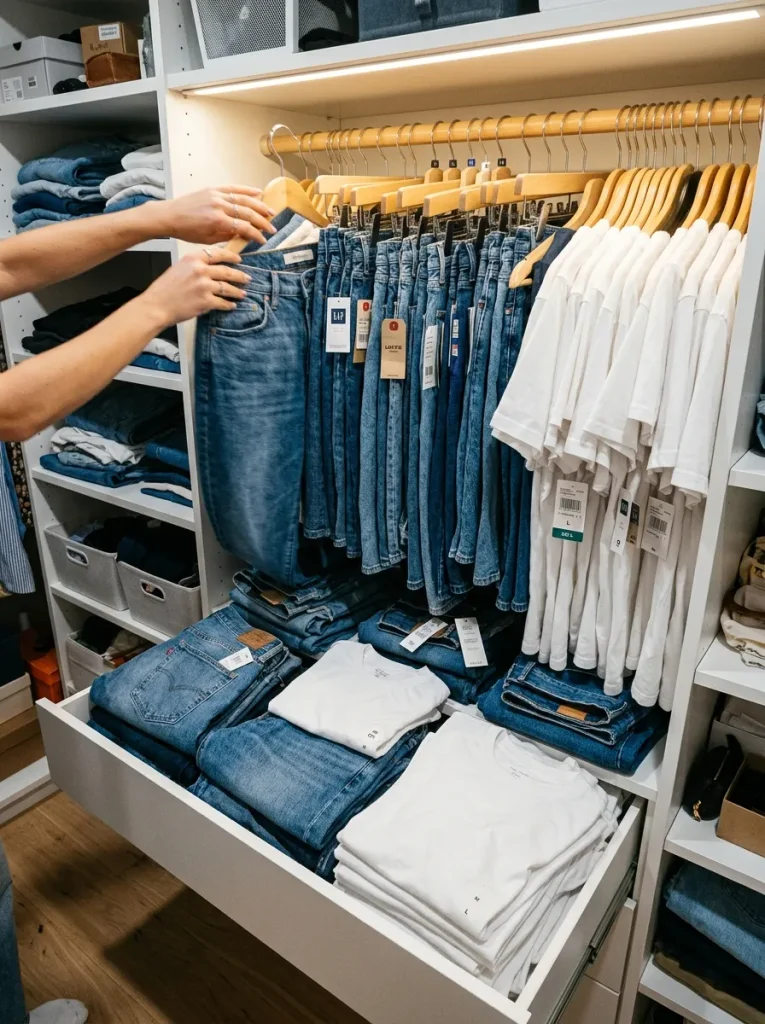
Opening your closet doors only to find five identical black crewnecks, three pairs of skinny dark jeans, and four grey oversized cardigans is a classic shopping trap. When we feel overwhelmed by store options, we naturally gravitate toward what feels emotionally safe, spending hard-earned money on minor variations of clothes we already have at home.
Stockpiling duplicate garments gives the false impression of choice without providing any actual outfit variety.
You end up cycling through the single version you like best while the remaining four identical tops hang forgotten on hangers. That trapped capital could have funded the missing pieces you actually need to build complete looks, such as a tailored coat or a versatile mid-tone trouser.
📌 Good To Know
Before tapping to pay for any neutral staple, pull up your phone photos and confirm you do not already own an identical cut, shade, or silhouette at home.
12. Splurging on Cheap Fashion Jewelry That Tarnishes Fast

Grabbing inexpensive brass or nickel jewelry near the checkout aisle seems like a harmless treat, but it adds up quickly. Those five-dollar gold-plated rings and chains react with body oils and perfume within weeks, turning your skin green and developing a dull coppery smell before ending up in the trash can.
Fast-fashion accessories are designed to look brilliant on store velvet and oxidize the moment they touch moisture.
Throwing away blackened hoops every few months costs you far more over a year than investing in solid, skin-safe metals. When your accessories lose their shine, they immediately bring down the polished feel of your entire outfit, making your best blazers and sweaters look unkempt.
Building a Smarter Wardrobe That Saves You Money
Creating a versatile, stylish wardrobe does not mean spending more money or chasing every micro-trend. Avoiding common fashion mistakes like impulse clearance buys, skipping alterations, and ignoring garment care labels keeps your budget safe and your closet functional.
Focus on quality basics, comfortable shoes, and pieces that fit your real lifestyle today. When every item in your closet serves a clear purpose and feels great to wear, getting dressed every morning becomes easy, intentional, and effortless.
Frequently Asked Questions
What is the single most expensive fashion mistake to avoid? +
Buying for a fantasy lifestyle instead of your daily routine. Investing money in delicate event dresses or sky-high heels that sit unworn produces the highest cost per wear, whereas spending on high-rotation basics delivers daily value.
How do I stop making impulse purchases during clearance sales? +
Follow the 24-hour rule and the full-price test. If you would not gladly pay original retail price for the garment today, do not buy it simply because the tag has a red discount sticker, especially on non-returnable final sale items.
Is tailoring clothing really worth the extra money? +
Yes, simple alterations like hem shortening, sleeve tapering, or taking in the waistband instantly make affordable high-street garments fit like custom designer pieces. A tailored inexpensive garment always looks sharper than an ill-fitting luxury item.
How can I make my everyday clothes last twice as long? +
Wash your garments inside out using cold water cycles, place delicates in mesh wash bags, and avoid high dryer heat. Air-drying your clothes flat on a drying rack prevents elastane fibers from cooking, sagging, and wearing out prematurely.