
How Women Over 50 Can Stay Cozy Without Wearing Heavy Layers
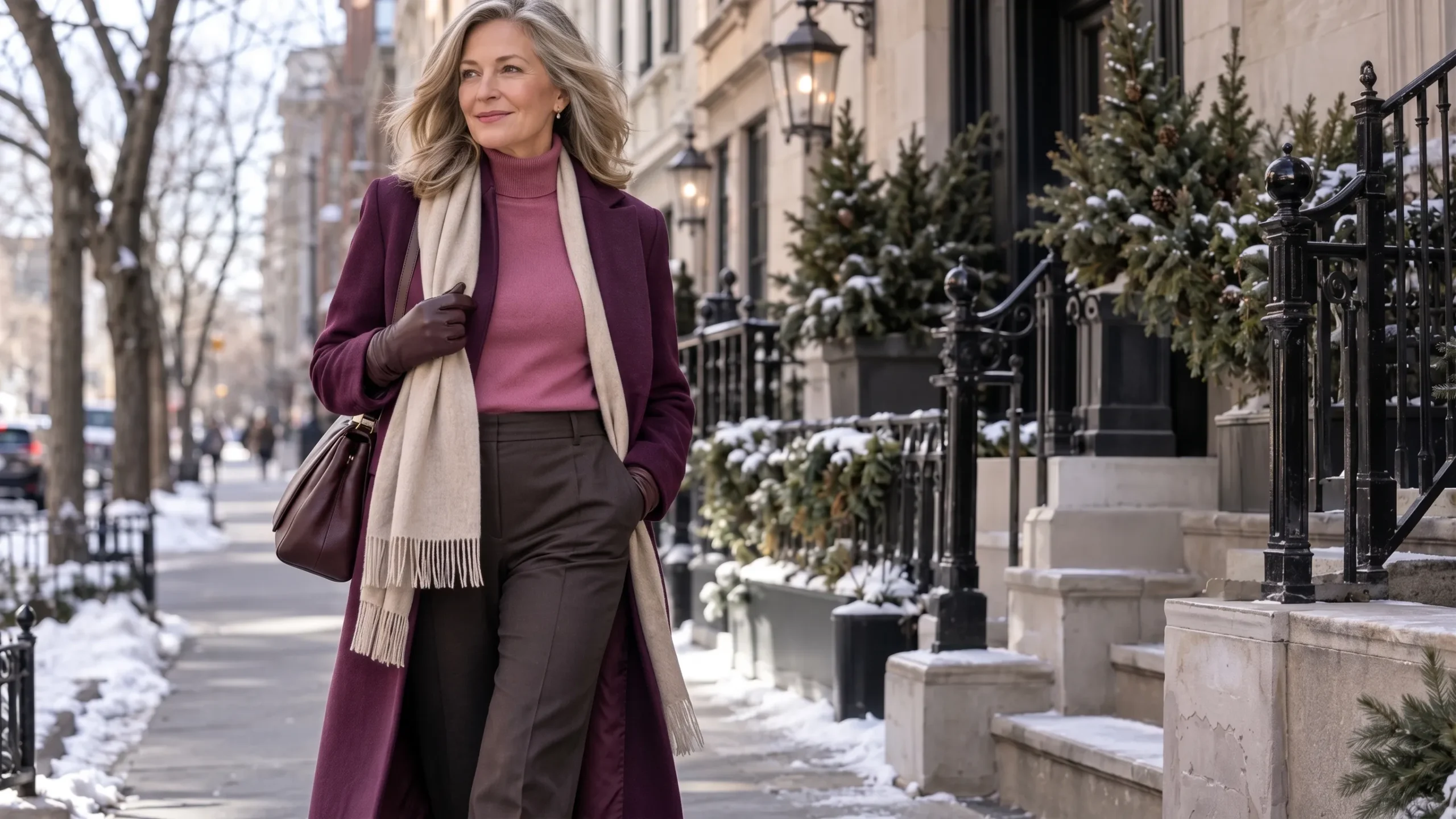
Dressing for chilly weather can feel difficult when keeping comfortable seems to require wearing multiple sweaters and a loose-fitting coat. Although all those layers may feel warm, they can leave your outfit looking much bigger than you intended.
For women past 50, feeling comfortable often becomes a greater priority, but there is no need to sacrifice a flattering shape or individual style. Excessive clothing can also restrict movement while driving, running errands, traveling, or walking between temperature-controlled buildings.
The smarter solution is to make every garment serve a purpose. Fashionable outfits for women over 50 can provide genuine warmth through carefully selected materials, streamlined underlayers, balanced proportions, and accessories that retain heat without creating unnecessary volume.
You might already have everything required in your wardrobe.
Why Cold-Weather Clothing Can Quickly Look Too Heavy
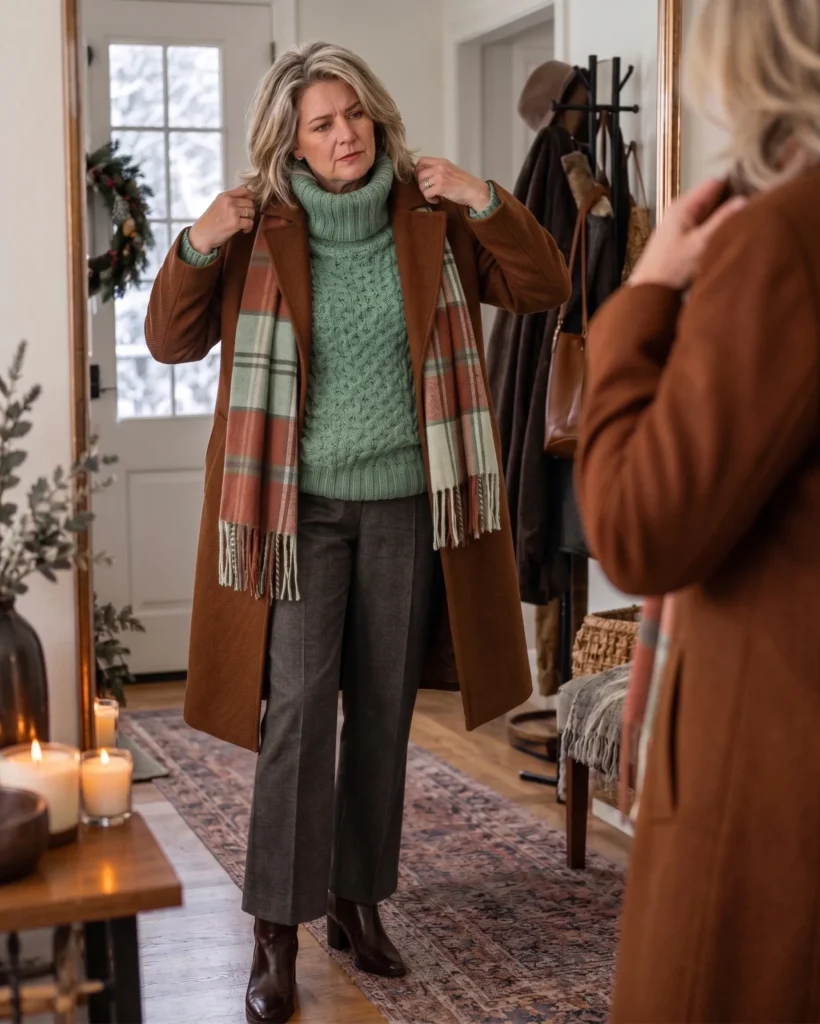
Winter clothing tends to look bulky when several thick or loose garments are worn together. Combining a relaxed shirt, a chunky knit, and an oversized coat can add considerable volume before the outfit has a chance to develop a defined shape.
The issue does not come from your body. More often, it is caused by the way different garments fit together.
When every piece contains excess material around the shoulders, waist, and sleeves, the layers compete for space. Sleeves become gathered, coats feel restrictive, and your body’s natural proportions become less visible.
Staying warm is not simply a matter of wearing thicker clothing. The type of fabric, resistance to wind, coverage around the wrists and neck, and closeness of the first layer to your body can all influence how comfortable you feel.
That is why a thoughtfully coordinated winter outfit can sometimes provide better comfort than several unrelated layers worn together.
Begin With Lightweight Layers That Keep You Cozy
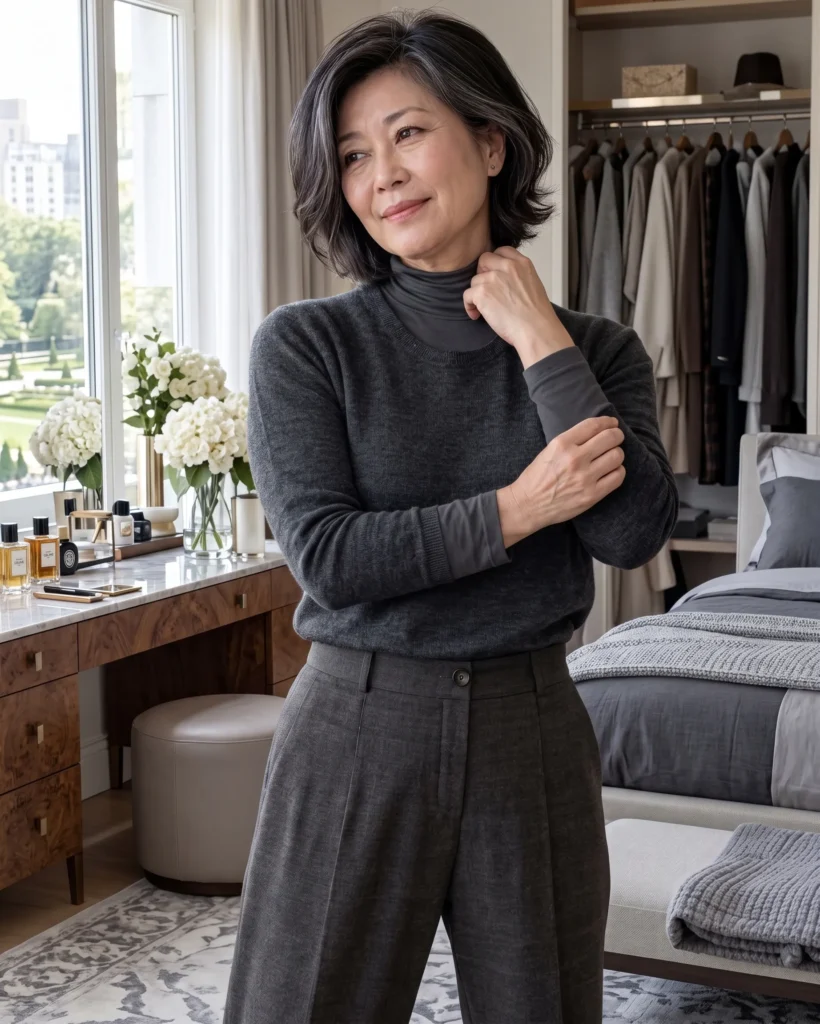
One of the simplest improvements to your winter wardrobe involves something people may barely notice: choosing a first layer that feels smooth, lightweight, and comfortable.
A fine long-sleeved shirt can be worn beneath a sweater without noticeably altering its overall shape. Select soft knitted materials that follow your body’s natural lines without feeling overly tight or creating unwanted folds beneath your clothing.
Crew-neck designs work beneath most sweaters, whereas scoop-neck and V-neck options are helpful when you prefer your underlayer to remain concealed around the neckline.
The material you choose is just as important as its weight. Certain fabrics can retain warmth without requiring you to wear a heavy garment.
The following fabric guide can help you select comfortable layers that maintain a streamlined appearance.
Best Fabrics and Layers for Winter Comfort
| Fabric or Garment | Features and Benefits |
|---|---|
| Fine merino knit | Offers insulation in a lightweight fabric, making it ideal beneath coats and jackets. |
| Lightweight thermal top | Creates an additional layer of warmth without the thickness of another sweater. |
| Fine-gauge cotton blend | Feels comfortable during milder winter weather and layers easily indoors. |
| Cashmere or cashmere blend | Provides warmth through a thinner knit while maintaining softness and lightness. |
| Smooth jersey base layer | Glides comfortably beneath sweaters and helps prevent excess fabric from gathering. |
Fit recommendation: Your base layer does not have to fit tightly against your skin. It simply needs to sit close enough to your body that the garments worn over it can move freely.
If you already own a lightweight long-sleeved T-shirt that fits neatly beneath your sweaters, try using it before spending money on specialized layering pieces.
Pick Warm Sweaters That Preserve Your Natural Silhouette
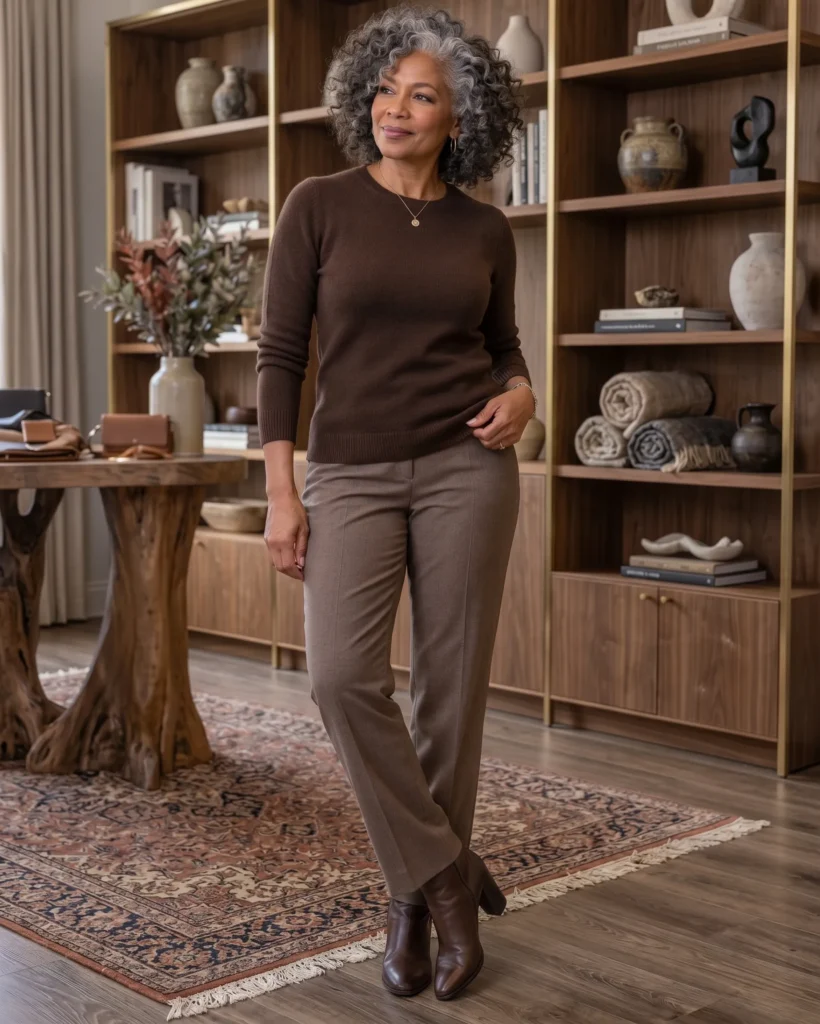
Chunky knitwear can be useful during especially cold weather, but it is certainly not the only option for keeping warm.
Lightweight merino, fine wool, cashmere mixtures, and closely knitted materials can provide considerable insulation without making your outfit appear excessively heavy. These sweaters are also easier to wear beneath blazers, trench coats, quilted jackets, and wool outerwear.
Consider the length of your sweater when putting together an outfit. A loose, extended knit worn with wide trousers can create one continuous mass of fabric from the shoulders down to the ankles.
If comfortable, relaxed sweaters are your preference, balance their volume with another garment. Straight-leg denim, more streamlined trousers, or a skirt with a smooth outline can help maintain visual definition.
The opposite combination works equally well. Wide-leg trousers often look more proportionate when worn with a sweater that follows the body’s shape or finishes around the hips.
Your neckline can contribute to warmth, too. A comfortable mock-neck sweater offers more coverage than a scoop-neck design without requiring a scarf while indoors.
Another practical option is layering a fine turtleneck beneath a cardigan. This provides two insulating garments while keeping the overall outfit relatively lightweight.
Comfort improvement: If wool feels scratchy against your neck, place a soft, washable garment underneath it. This lets you continue wearing warm knitwear without giving up comfort.
Rely on Your Coat for Warmth Instead of Extra Knitwear
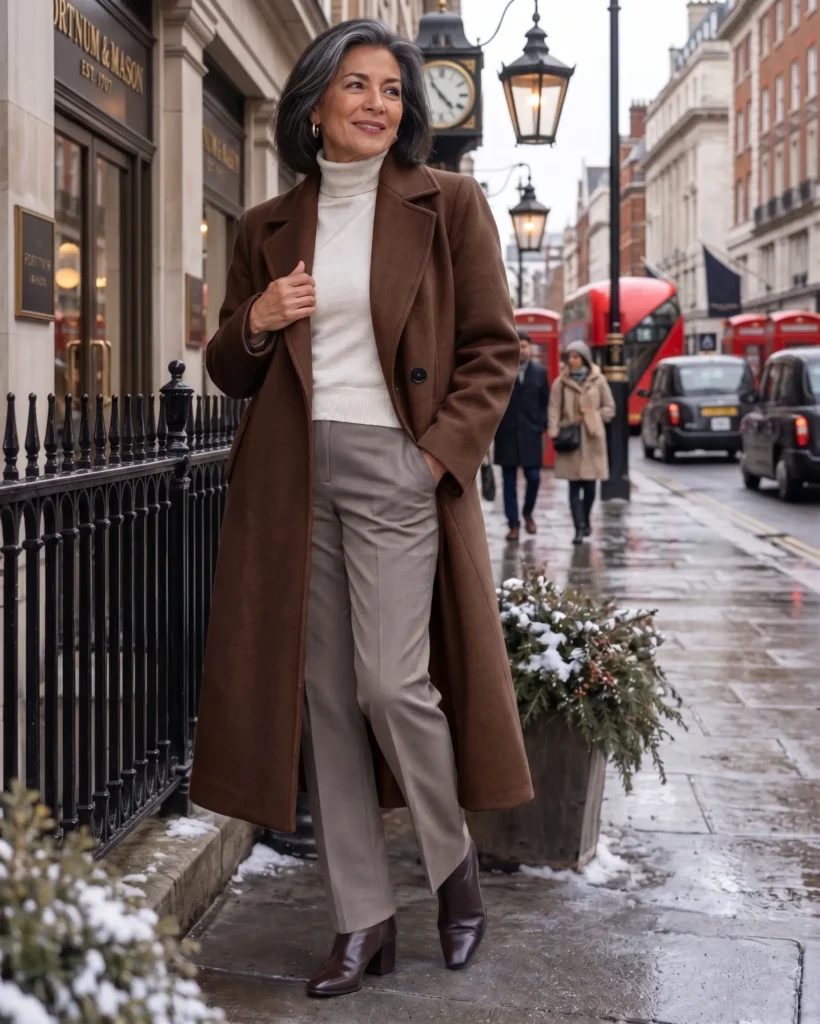
Your winter coat should serve a practical purpose beyond completing your outfit. During genuinely cold weather, it needs to provide a significant amount of your protection against the elements.
When an outer garment effectively prevents cold air from reaching you, there may be no need to squeeze a thick cardigan between your sweater and coat.
Choose a design that offers sufficient space across the shoulders and sleeves for comfortable layering, but avoid purchasing such a large size that the garment loses its structure.
A straight wool coat creates a clean, elongated appearance when worn with jeans or trousers. A belted design can restore definition when the garments underneath have a relaxed fit.
During wet or windy conditions, a streamlined insulated coat can be more practical than relying entirely on wool. Quilted styles featuring smaller stitching sections often appear less inflated than designs with very wide horizontal padding.
The length of your outerwear is another important consideration. A coat extending over your hips and upper legs provides more coverage than a cropped jacket, potentially reducing the amount of clothing you need beneath it.
This is particularly useful when putting together stylish outfits for women over 50 because the coat is often the most noticeable part of a winter look.
Select outerwear that complements the clothes you wear regularly instead of keeping it reserved for occasional special events.
Stay Cozy With Winter Accessories Instead of More Clothing

In some situations, the easiest way to improve warmth is to avoid adding another sweater altogether. Instead, cover the smaller areas where cold air can enter your outfit.
Wrapping a scarf around your neck can make a lightweight coat feel considerably more comfortable. Similarly, wool socks can provide extra insulation inside ankle boots without changing the appearance of your trousers.
Before reaching for another thick garment, consider making these small adjustments:
- Keep your wrists covered. Make sure your gloves meet your sleeves comfortably so that cold air cannot easily enter when you move your arms.
- Add warmth around your neck. A soft scarf, mock-neck top, or turtleneck can provide extra insulation without requiring an additional cardigan.
- Wear warmer socks. Choosing insulating socks for loafers or boots can make an otherwise simple outfit more suitable for colder conditions.
- Choose outerwear with greater coverage. A longer coat protects more of your hips and thighs while allowing you to keep your indoor outfit unchanged.
- Wear a hat when temperatures demand it. A straightforward knitted beanie can improve comfort when spending time outside in chilly weather.
Accessories also allow you to adjust your clothing throughout the day. When you enter a heated café or shop, you can quickly take off your scarf or gloves.
That is considerably more convenient than removing several sweaters.
Small Styling Changes That Make Winter Outfits Look Lighter
A winter outfit can include several garments and still maintain a neat, polished appearance. The difficulty generally begins when too many pieces introduce extra volume in the same areas.
Sleeves provide a good example. A sweater featuring wide sleeves may look attractive when worn alone but become uncomfortable underneath a fitted coat.
Longer tops can create a similar problem. When your shirt, cardigan, sweater, and coat all finish at different points around the hips, the combination may look visually crowded.
A few thoughtful substitutions can make your existing wardrobe appear more coordinated.
Simple Changes for a More Balanced Winter Look
| Avoid This Combination | Use This Styling Approach |
|---|---|
| A bulky knit worn beneath a snug outer coat | Layer a fine sweater under a properly sized, insulating coat. |
| A loose-fitting shirt with extra-wide pants | Pair one relaxed garment with a more defined and streamlined piece. |
| Multiple thick garments for indoor wear | Use a slim underlayer, a warm knit, and weather-appropriate outerwear. |
| Several long garments with uneven, competing hemlines | Keep the middle layer simple or coordinate the lengths more deliberately. |
| A thick sweater worn only to protect the neck | Choose a lightweight knit and add a scarf or a higher neckline. |
There is no reason to stop wearing oversized garments if they are part of your personal style. The important thing is to create a clearer outline somewhere within the outfit.
A relaxed sweater can look attractive alongside straight-cut trousers. Likewise, a roomy coat can complement a more streamlined combination of clothing underneath.
A polished appearance comes from balanced proportions rather than making every garment closely fitted.
Create an Easy Winter Outfit Combination for Everyday Wear
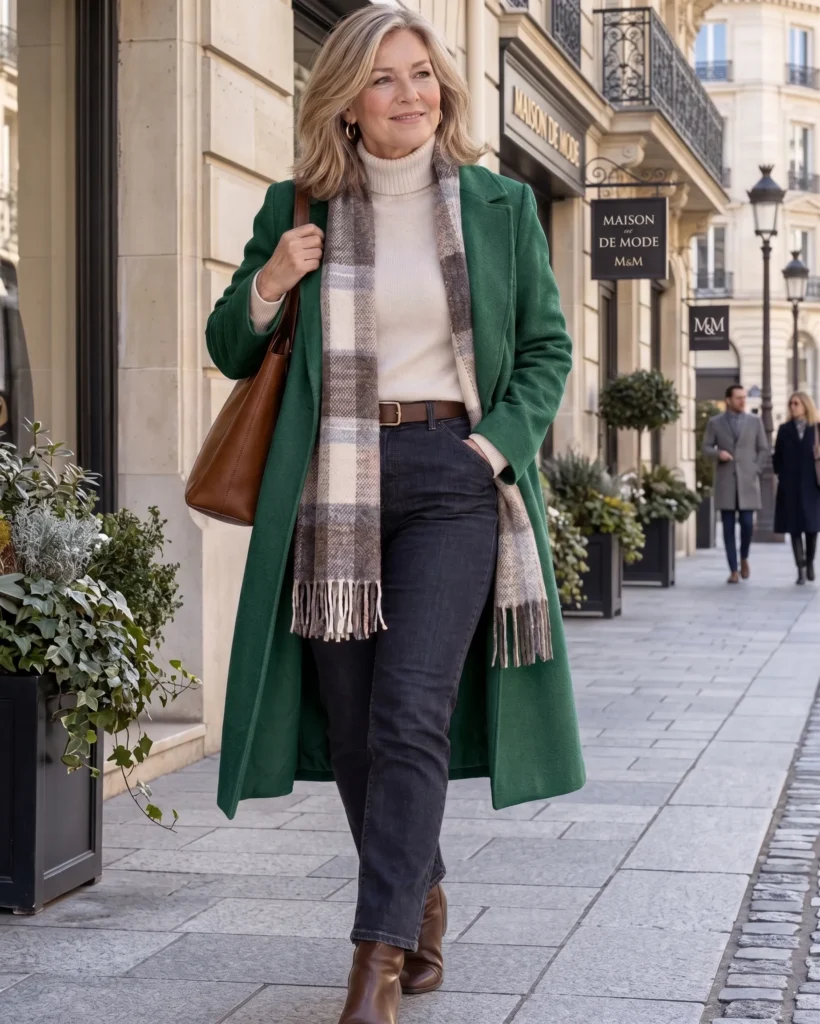
A practical winter wardrobe does not require dozens of separate outfit combinations. Instead, it should contain a small collection of garments that can be mixed and matched without requiring much planning.
Begin with this straightforward clothing formula:
Formula: lightweight base layer + fine-knit sweater + straight-leg trousers or jeans + warm structured coat + practical winter footwear
The close-fitting first layer helps preserve warmth without noticeably changing your outfit’s outline. Your sweater adds insulation, while the outer coat provides much of the protection needed when you go outside.
By changing the footwear, color palette, neckline, or accessories, you can adapt the same combination for shopping, lunch with friends, or an ordinary workday.
Here are several ways to use the same basic approach for different occasions.
Easy Winter Outfit Combinations for Different Occasions
| Daily Activity | Clothing Pieces to Combine | Practical Styling Advantage |
|---|---|---|
| Running everyday errands | Long-sleeved undershirt, crew-neck knit, straight jeans, padded coat, and ankle boots. | Keeps you warm, allows comfortable movement, and makes indoor layer removal convenient. |
| Meeting friends for lunch | Light turtleneck, tailored pants, wool outercoat, and loafers or boots. | Neat trouser proportions offset the extra coverage provided around the neck. |
| Relaxed office dressing | Thin undershirt, cardigan, dark pants, structured outerwear, and leather boots. | Individual pieces can be adjusted easily when indoor temperatures fluctuate. |
| Taking a weekend stroll | Thermal undershirt, lightweight knit, practical pants, weather-resistant coat, and insulated boots. | Provides outdoor protection through effective base and outer garments instead of relying on thick knitwear. |
Once you discover which clothing combinations feel comfortable and suit your body, there is nothing wrong with wearing them repeatedly.
Having a personal outfit formula does not make your style uninteresting. It reduces the time spent deciding what to wear while leaving plenty of opportunities to change colors, textures, jewelry, footwear, and accessories.
For women over 50, this practical approach to winter dressing can be much more useful than trying to create an entirely different outfit every day.
Common Questions About Staying Warm Without Bulk
How can I wear multiple layers while keeping my outfit streamlined?
Choose lightweight garments for the layers closest to your body and let your outer coat provide most of the protection against cold weather. Avoid combining several thick, loose pieces that add excessive volume in the same areas.
For balanced proportions, wear a relaxed top with more streamlined trousers or combine a roomy coat with simpler clothing underneath.
Which sweaters provide warmth without looking too thick?
Fine merino wool, lightweight wool, cashmere blends, and closely knitted fabrics are practical options. They provide insulation while fitting comfortably beneath jackets and coats.
A mock-neck sweater or fine turtleneck can provide extra coverage without requiring another heavy knitted layer.
What can I wear with wide-leg pants to stay comfortable in cold weather?
If your trousers have enough room, wear a lightweight thermal layer underneath when temperatures drop. Insulating socks and ankle boots can also help keep your lower legs and feet comfortable.
For a more balanced silhouette, combine wide-leg trousers with a streamlined sweater or shorter jacket instead of wearing several oversized garments on top.
How can women over 50 style oversized knitwear elegantly?
Oversized sweaters can look stylish at any age. The key is choosing other garments that complement the sweater’s relaxed shape rather than adding excessive volume throughout the outfit.
Try pairing a roomy knit with straight-leg jeans, tapered trousers, or a skirt with a clean silhouette. Defined necklines, visible wrists, and suitable footwear can also help create balance.
How can I dress comfortably when indoor spaces feel too warm?
Wear lightweight indoor clothing beneath a protective outdoor coat. A fine sweater over a thin base layer is often easier to manage than wearing two thick sweaters.
Scarves, gloves, and coats can be removed quickly when entering a heated shop or restaurant, allowing you to remain comfortable without changing your entire outfit.